Meta
The camera learns the world
People had been taught that the camera was for a picture of yourself with a cat on your head. The job was to show it could do more.
Faces on things
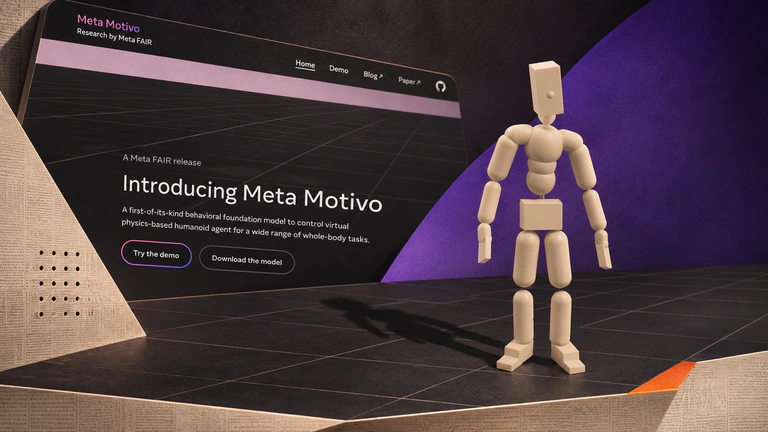
The first world effects put a face on a coffee cup, a spoon and a plant, using a simple tracker. They worked, and people in Messenger still didn’t use them, because that wasn’t how anyone wanted to talk to each other there. The effect was fine. It was the wrong job for the product.
Tate Britain
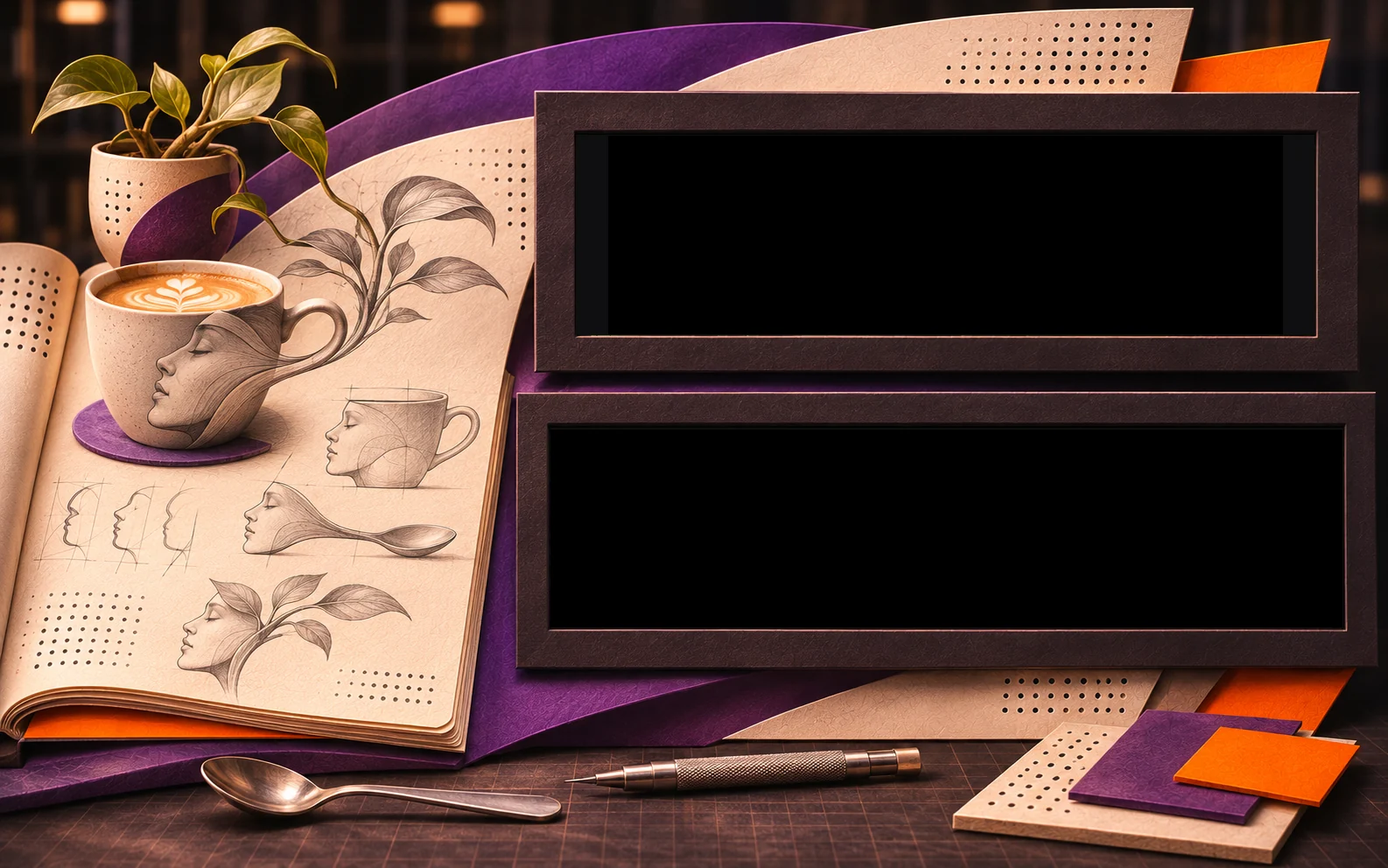
At Tate Britain the camera recognized the paintings and brought them to life, made with animators and specialist production partners.
A scavenger hunt at F8
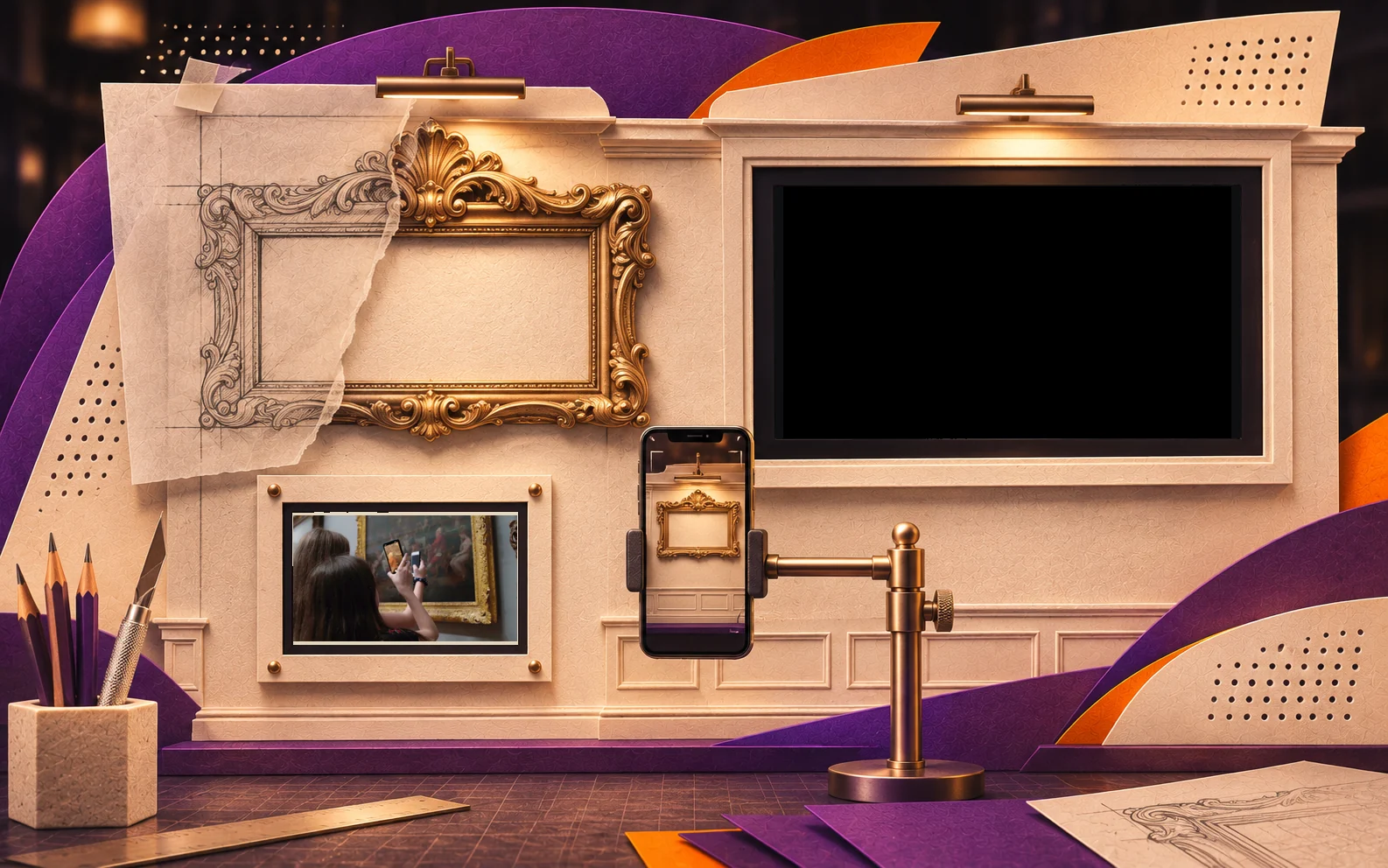
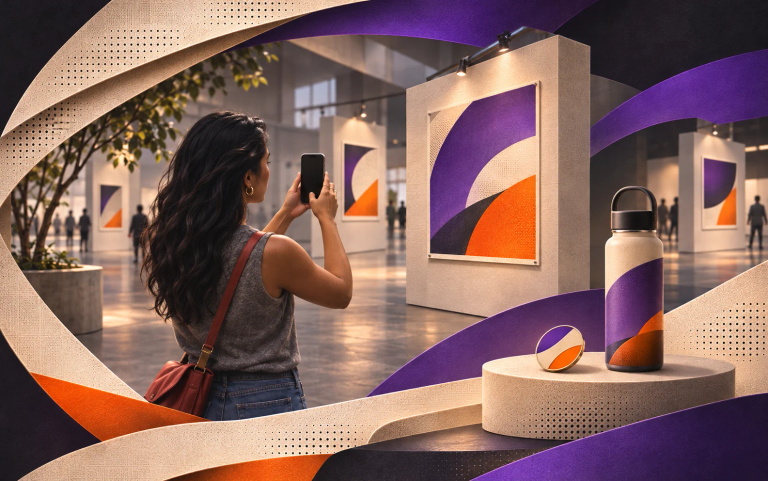
At F8 we ran a scavenger hunt through the venue, and anyone who found all the posters with their camera won a pin and a water bottle.
Avatars that remember
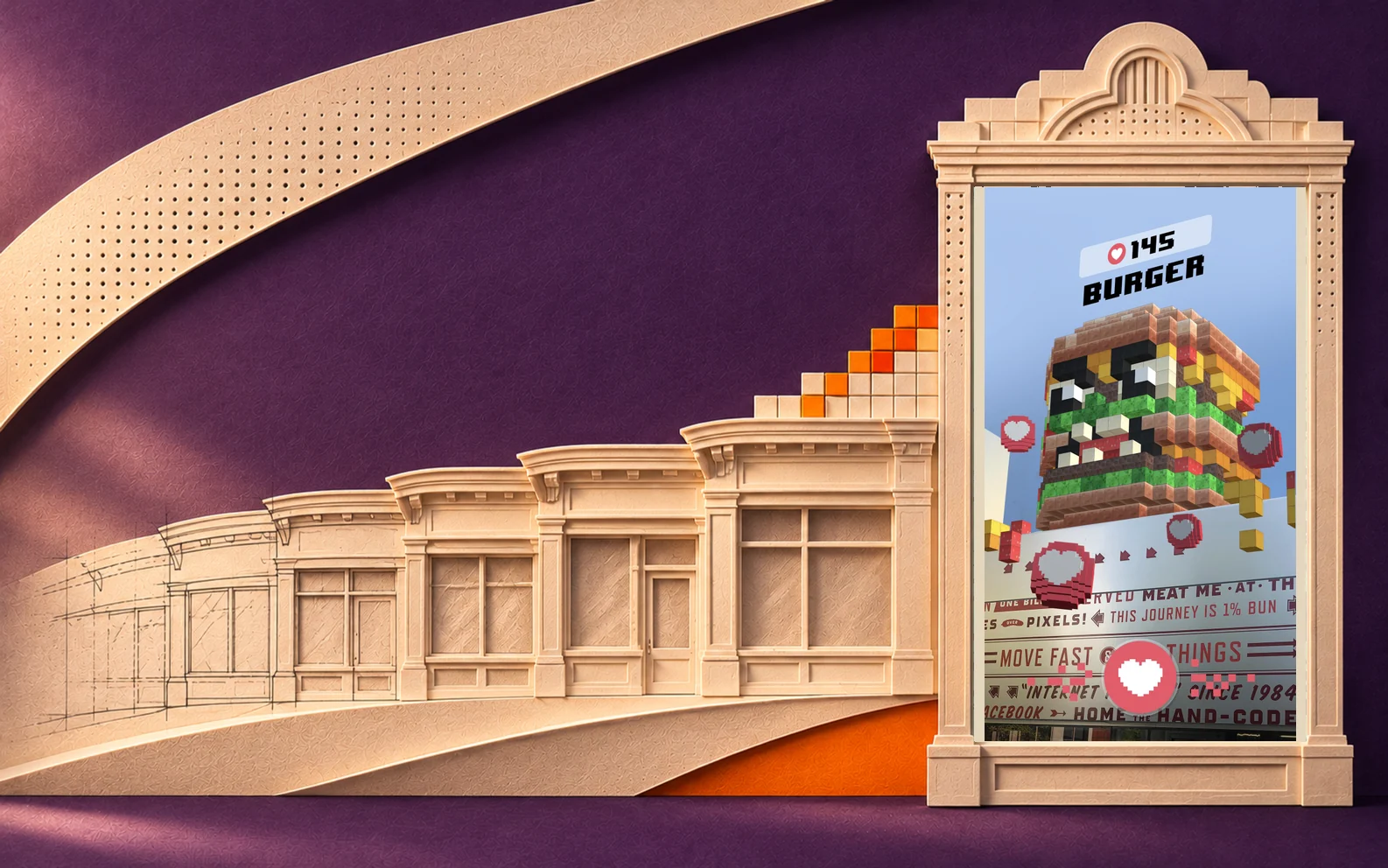
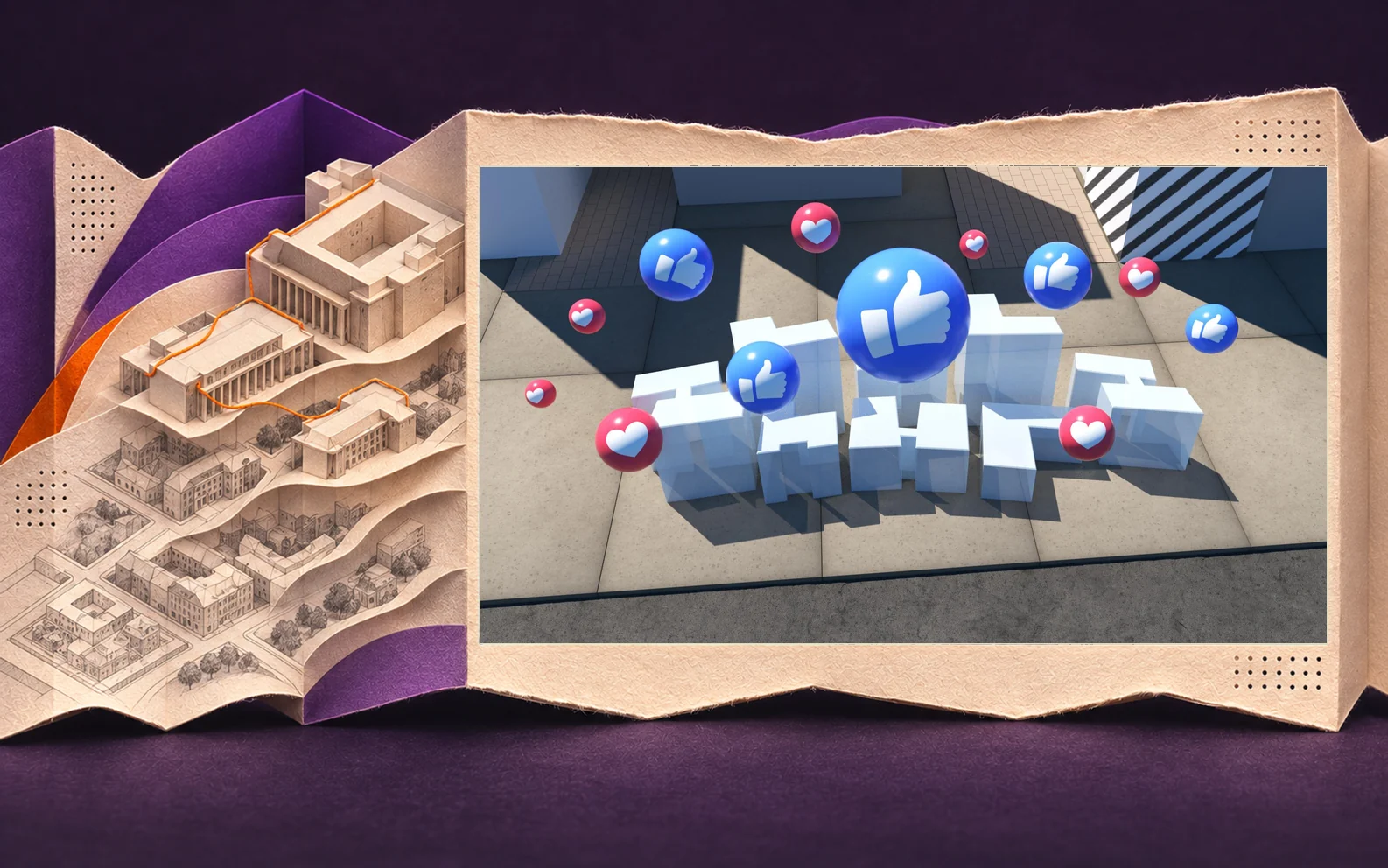
One app let people leave avatars of themselves in places around the world, each one picking up traits from where it had been. That interaction model became a patent.
Augments
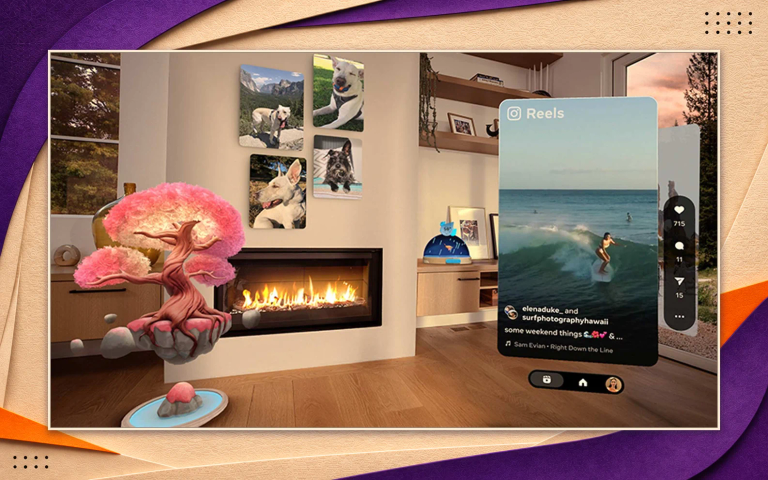
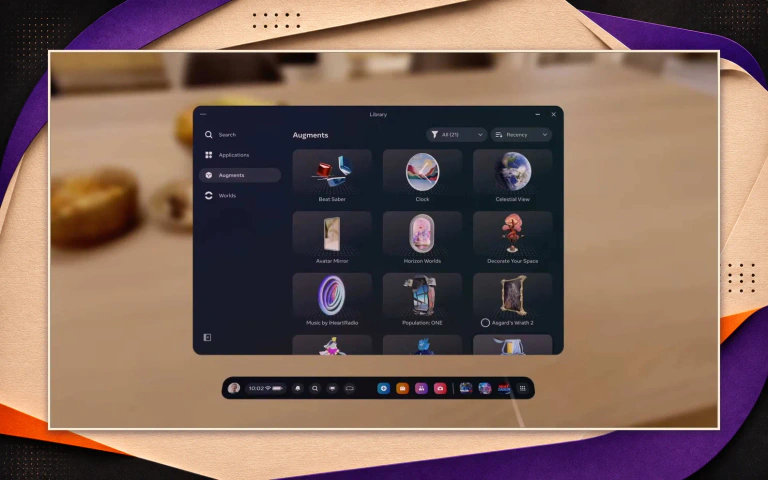
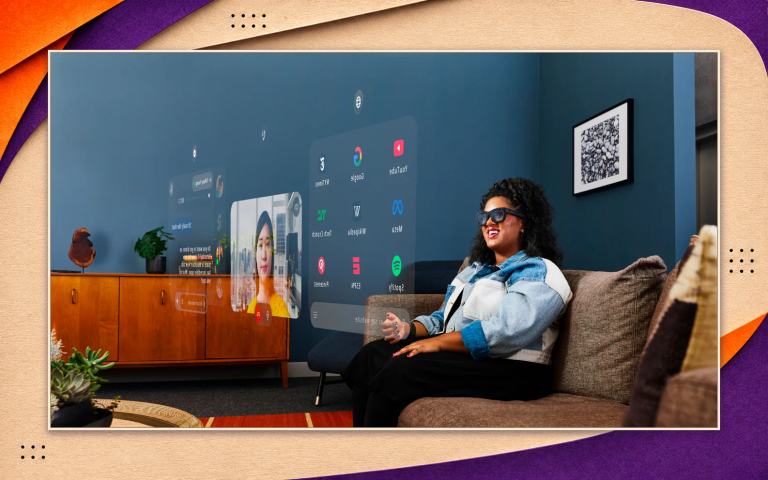
Placing furniture in a real room came out of the shopping work, and it showed the limit, because nobody wanted to hold a phone out in front of their face. Augments came next. A picture, a weather display or a music player stays where you put it in the room and is still there when you come back. They were the bridge from the camera AR platform, Spark, to experiences for glasses.
David Attenborough at OC6
Before the glasses, at Oculus Connect, a friend in partnerships and I built an AR experience with David Attenborough for his show. I didn’t want to give a full talk, so I gave half of one on building for the real world, then hosted a panel with speakers from DreamWorks and others.