Teams, products and systems
Career
The work behind the chapters: production systems, products, teams, and prototypes. Open a chapter to see what I built, how the work grew, and what came next. Some dates overlap because several chapters were workstreams within the same Meta role.
Design leadership & product building2025–2026 · VP of Design · founding design · independent products
VP of Design · streaming product
After Meta, I took a VP of Design role and continued a pattern running through my career: learn the layer where work is stuck, build what moves it forward, and make it usable by others. I built multiple mobile information-architecture prototypes and a tool for generating team-specific sports thumbnails. The prototypes made possible directions tangible; they also surfaced a gap between the future vision requested and the changes the organization was ready to make. I left to keep stretching my product practice.
Founding designer · working prototype
In a founding-designer role at an AI startup, wireframes were not making an interaction clear. I used Claude Code to build a working prototype: a problem I had spent two days trying to crack in Figma came together in 45 minutes. The point was to make the idea testable, not to optimize for speed.
Expert-led product
A friend with subject-matter expertise saw I could translate ideas into working products. That led me to build an expert-led app, adapting book- and recipe-making components to a different product model. I wanted to test how quickly I could build it and how the craft could improve over time.
Zero
I kept choosing problems I cared about in my own life and turning them into products. I shipped Zero, listened to several rounds of feedback, and chose to sunset it when its trust limits became clear.
Read case · Zero →- 01
- 02
Original Zero product captures. Shipped, then sunset after feedback; these screens are historical.
Heirloom → Recipebound
Heirloom grew from a family-cookbook problem into an app I designed and built end to end, directing AI agents through release to the App Store. Working one-to-one with cookbook-makers showed me that the value was the finished book, while gathering and organizing recipes still asked too much of people. I carried forward the ingestion and evolved the product into Recipebound, building a cookbook engine around my design and print knowledge. Two books are being approved for print as of November 9, 2026.
Read case · Heirloom → Recipebound →- 01
- 02
Current book visualization beside the earlier app’s ingestion interface. Print approval was in progress as of November 9, 2026.
Silly Questions
I designed and built a live AI art game end to end: choosing how to play, answering questions, generating an image and keeping the result. Game design, shared state and generation had to work together as one complete product loop.
Read case · Silly Questions →Human-led agent product design2026–ongoing · Current workstream · method across projects
How I work
I am developing and using a coordinated organization of specialist agents and subworkers to carry product design from research through decisions and iteration. I frame the questions, direct parallel research and design work, compare findings, make product decisions, and set the next round.
- 01
- 02
An authored workflow map and a cookbook composition example. Matt supplied the typography and book-design knowledge, directed the work and judged the resulting pages.
What stays private
This is both an active workstream and a method I apply across projects. The project identity and interface remain private.
AI research: characters and robots2023–2025 · Design leadership with researchers
Motivo
At Meta’s Fundamental AI Research group (FAIR), I led design with researchers across Motivo and SIRo. For Motivo, we found the controls that made physically responsive character movement understandable, then gave the model’s open release a public playground people could try.
Read case · Motivo and SIRo →- 01
The public release connects the movement research, model and playground. Matt led design with researchers to find understandable controls and shape the release experience.
SIRo
SIRo explored how robots could notice people and work alongside them. We made the robot’s view and reasoning visible in a mixed-reality experience. For the research team’s annotation work, we replaced text-heavy question-and-answer labeling over still images with vector layouts and clearer iconography. The visual language helped annotators recognize what they were labeling, work faster, and give the model cleaner labels. These were distinct research efforts connected by the question of how AI could move and respond in the world.
- 01
A human request, understandable robot state and the room around them. This authored still explains the mixed-reality work; the research annotation tool and Habitat simulator are separate efforts.
Bringing the world to life2018–2023 · Museums, streets, and homes on phones; early work for glasses
From phones to glasses
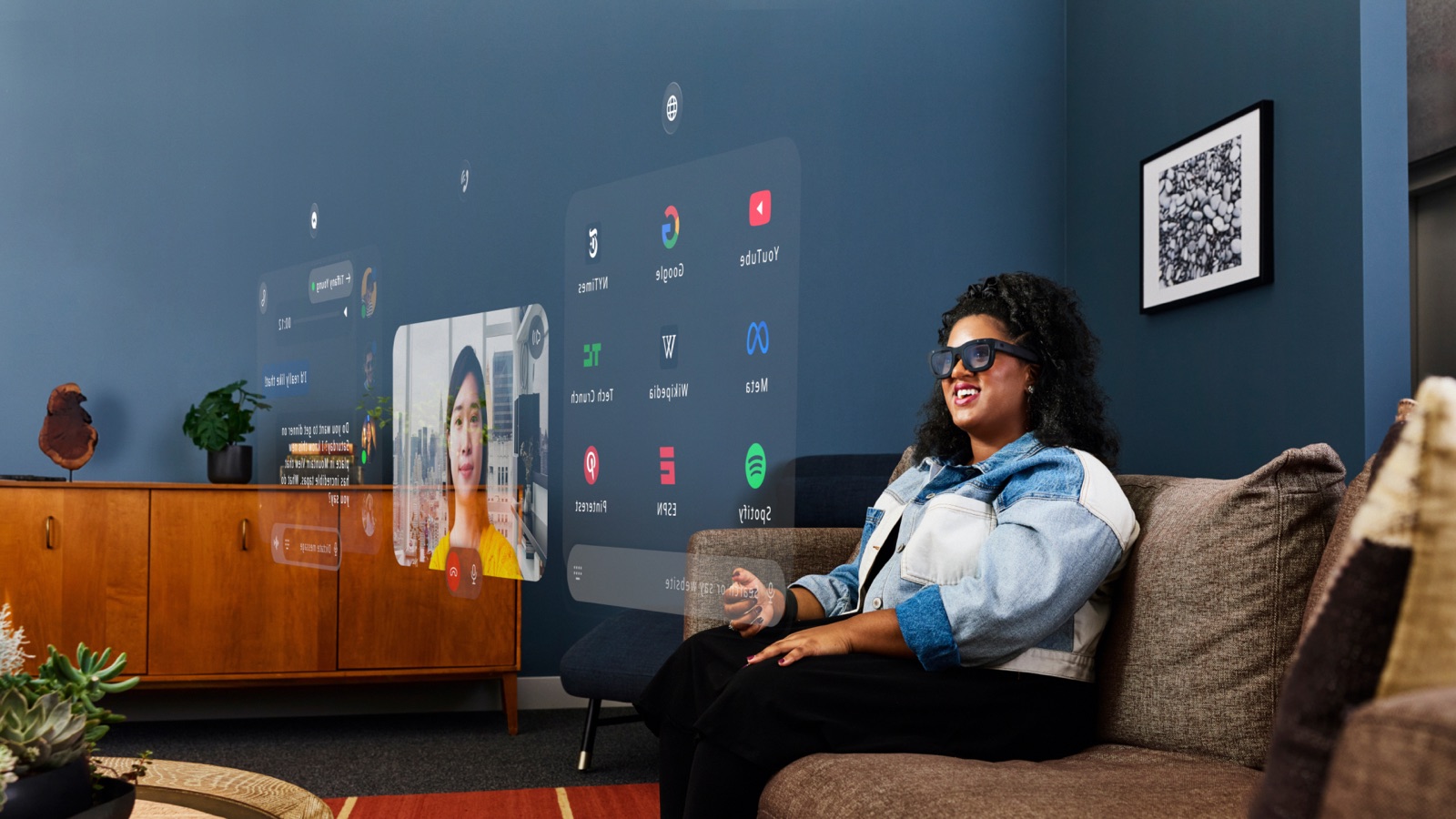
I led teams building phone-camera experiences around the physical world: bringing museum artworks to life, placing digital objects in city streets, and letting people try ideas in their homes. Those experiences helped us learn what world-aware interactions needed from the platform. Later, I led teams shaping Orion’s first glasses experiences, including ways to teach people its core interactions through use.
- 01
- 02
Tate Britain’s Virtual Wing: the person, painting and camera experience belong to the same encounter. The later glasses work is a separate chapter of the platform’s evolution.
Learning through play
We chose a simple shared game, 3D Pong, to teach those interactions. Two people in the same space could pinch and move a virtual shield to return the same ball, seeing one another act on an object they both shared. The learning job stayed clear while hardware requirements and peer-to-peer networking changed around it.
Additional context
Camera commerce2019–2021 · Consumer experiences and the systems behind them
Different shopping jobs
AR try-on was one part of a broader Meta-wide commerce effort. I built and grew the design organization as the work expanded across in-camera shopping, commerce product pages, ads, and the systems brands used to create and publish products. The use cases had different jobs and interaction models; we worked across Instagram Shopping, Ads, and catalog tooling to connect them without treating them as one surface.
- 01
- 02
- 03
Evaluation in the camera, inspection on a product page and discovery through ads. These surfaces served different jobs; catalog assets and publishing tools supported the reusable system behind them.
Graduating the product
After the product matured, I scaled it, prepared the London team, and intentionally handed over ownership as the work moved closer to tooling and the catalog. Graduating the product to the team positioned to own its next stage was a leadership outcome I am proud of.
Meta2017–2025 · Senior Product Design Manager
Messenger
I started at Meta as an Art Director on Messenger, with creative-director scope. By pushing the camera platform forward, I earned the camera team’s trust. After launching Messenger Commerce with the team, they asked me to lead the new Experiences organization and partner with tooling.
World experiences
I carried my commerce expertise into other use cases. Placing furniture in the real world was a step toward larger experiences grounded in the world around us—and a response to a basic interaction problem: people did not want to hold their phones out in front of their faces.
Growing the organization
I led the Spark design organization for mobile experiences outside Spark Studio’s authoring tools. The scope of the organization later expanded to Orion experiences. I grew Experiences from two contingent workers to 22 people across four teams and two leadership layers. I hired complementary capabilities, developed leaders and gave senior ICs meaningful ownership. Each role needed a scope-and-impact case: what capability the work needed, what the person could own, and how leadership and partners would align. Senior ICs took ownership of an intensive Instagram engagement while I led the glasses slate, allowing both fronts to move.
at the start
two leadership layers
- 01 · Capability
Hire complementary expertise: commerce, product design, technical artistry and prototyping.
- 02 · Development
Develop leaders; grow autonomy alongside shared expectations and active partnership.
- 03 · Ownership
Give senior ICs the Instagram engagement while leading the glasses slate.
Scope and decisions from Matt’s account. This composition explains the work; it is not an organization chart.
Another leadership decision: graduating commerce to London →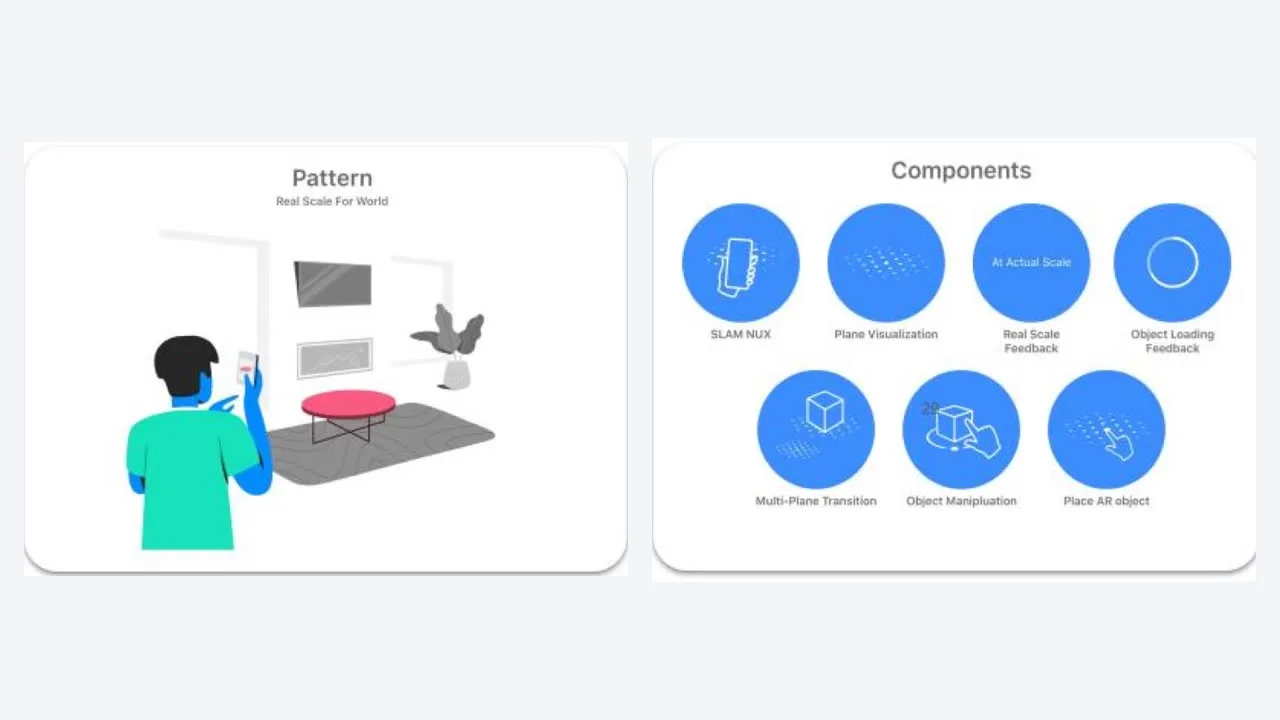
Viacom2015–2017 · Director of Screen Content
The screen system
I ran the metadata-driven playback system behind Viacom’s screens, from headquarters to the Times Square billboard. A magnetic-tile board helped us work out the schedule across twelve networks; metadata and dayparting made those rules operable in software. We also brought live Kinect and TouchDesigner interactions into the rotation, including an activation for up to twelve people, alongside screen content such as Composition VI. Other offices adopted the system after I left.
Read case · Viacom →- 01
- 02
The original magnetic-tile schedule beside screen-program output. Channels, priorities and dayparts became rules people could operate. The transparent-display museum is a separate installation.
The transparent-display museum
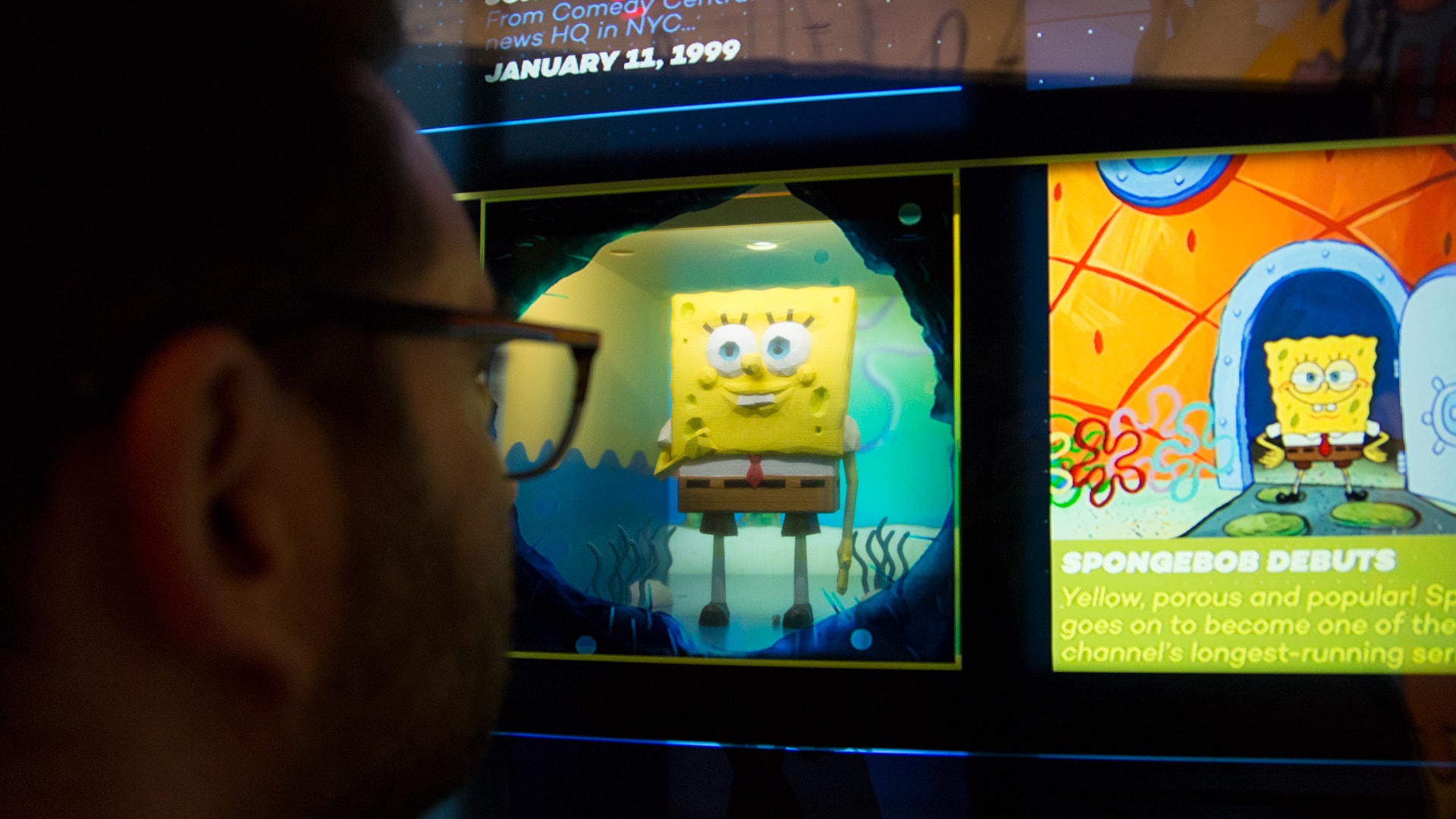
The transparent-display museum was a different project. Viacom had ordered an 84-inch display; I conceived the experience around it, built its story and production system, assembled the team, and worked hands-on through tests and installation. Physical objects, choreographed digital content, and lighting made the company’s history visible in the box.
The Times Square relay
With NYU ITP, I also helped turn a news crew’s microwave transmitter into a laptop-to-billboard relay for student work in Times Square.
Viacom NEXT at SXSL
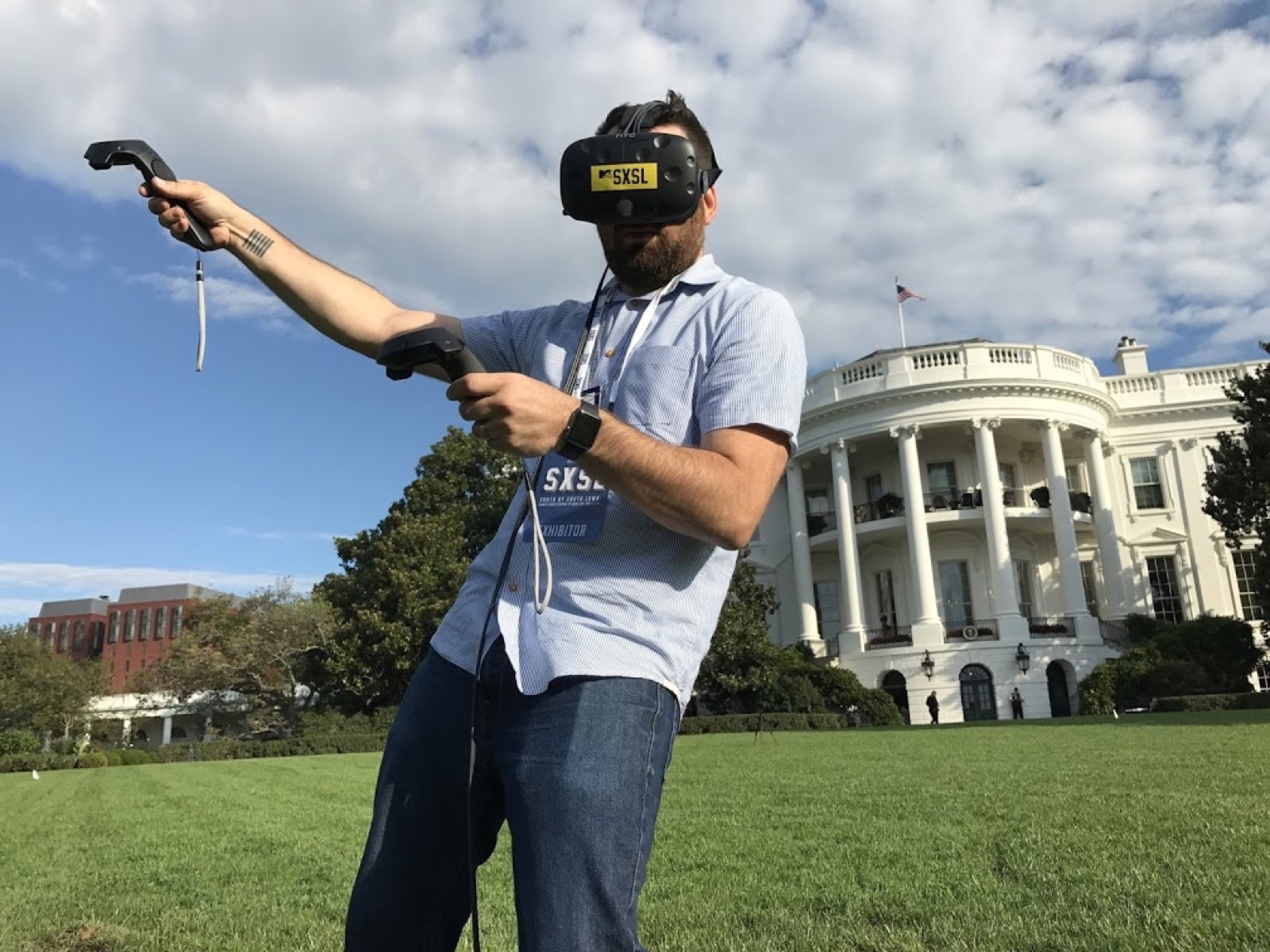
For Viacom NEXT, the work also extended to a virtual-reality art show at the White House’s South by South Lawn in 2016.
Installations2012–2015 · Architectural-scale work at Hush
Under Armour and Hush
At Hush, I taught myself Unity while helping build the video wall for Under Armour’s Shanghai flagship, then deployed it on site to run unattended for months. Other projects included Nike’s NFL LED wall in Times Square and an exploded-view iPad demo. The work pushed beyond the rendered image into the software that made the experience function in a physical space.
- 01
At Hush, Matt learned Unity while helping build the Shanghai installation, then deployed it on site to run unattended for months. This source capture shows the experience operating in the room.
Early products2011 · Independent studio · product configurators
Puma
Running an independent studio, I designed and shipped a white-label product configurator for Puma in 2011. The material samples, annotated shoe, source layers, and finished configurator show the same decision at different stages: pre-render the expensive visual work, then use masks and layered renders to let people change color and material as if it were happening in real time.
Explore the studio work · Puma and earlier systems →- 01
- 02
Source annotations identify configurable parts; the working interface exposes material and color choices. Pre-rendered layers and masks made expensive visual work reusable during interaction.
The independent studio
Alongside Puma, the studio developed set-top and interactive product work for Verizon and other clients.
Motion graphics2000–2015 · Production systems for creative teams
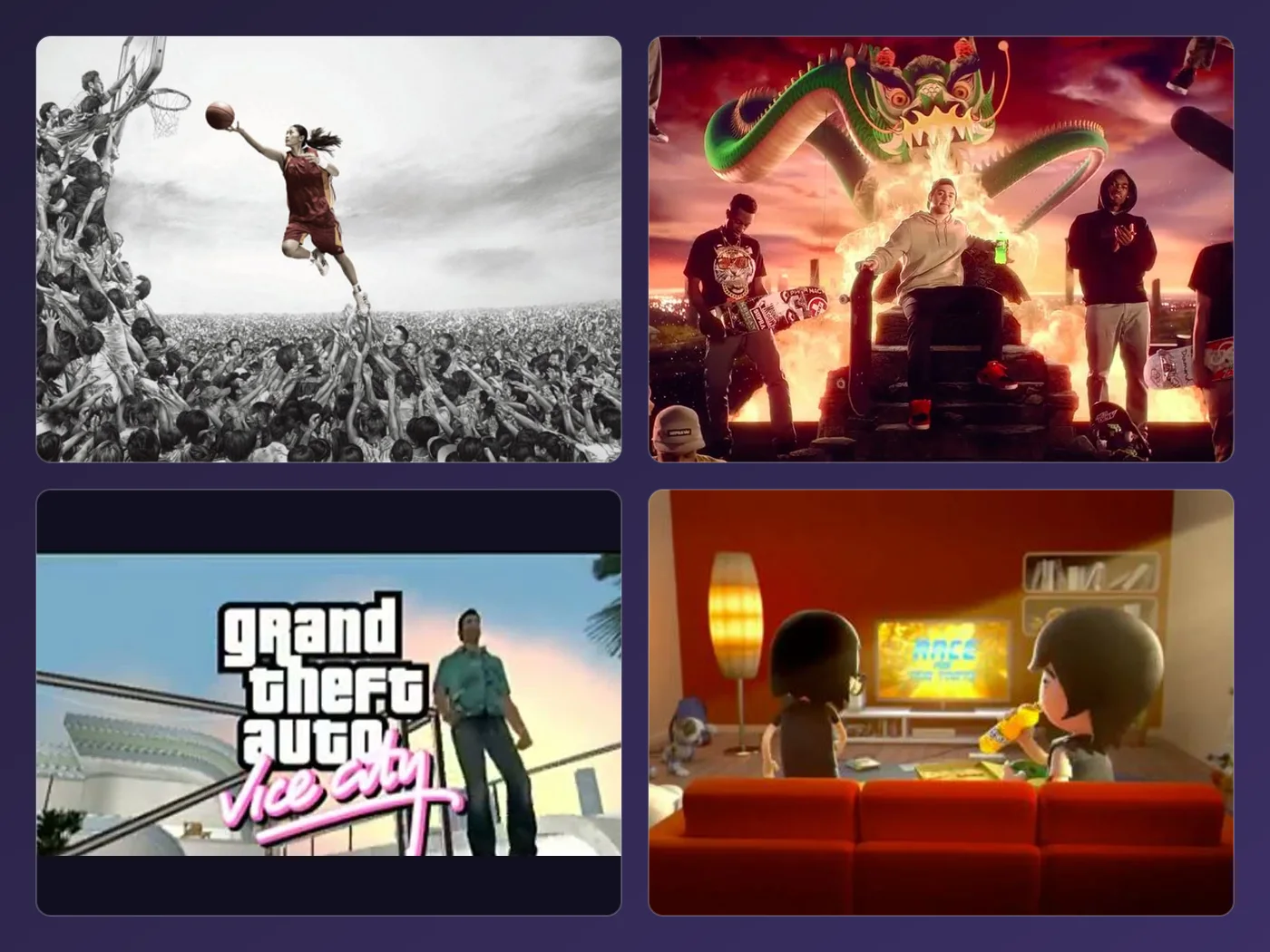
Vice City
An early Vice City commercial taught me to use the game itself as a production tool: I choreographed sequences on a PlayStation and fed the game into the machine room, making the engine the camera and the set.
- 01
Matt choreographed sequences on a PlayStation and fed the game into the machine room. The game engine became the camera and set. Later toolkits and production pipelines carried this systems approach into work other makers could continue.
Toolkits and pipelines
At Imaginary Forces, we shipped two CBS Sports motion toolkits designed for the network to keep producing with after handoff. At Psyop, I developed a pencil-shader pipeline for an Adidas spot and taught the team to use it so a drawn look could hold across many hands. That work earned a Cannes Gold Lion. The recurring move was to build the tool behind the finished piece.
Explore the studio work · toolkits and pipelines →